Circuito
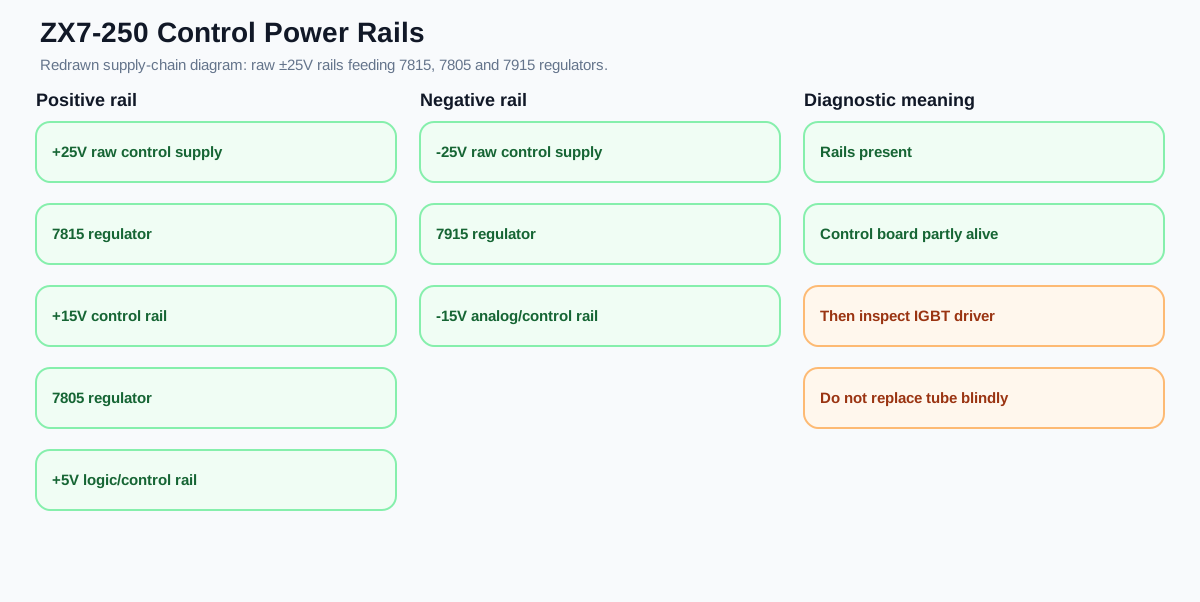
ZX7-250 Control Potencia Rails: ±25V entrada, 7815, 7805 y 7915 Regulation
A circuit-function page explaining the low-voltage control supply chain seen in the ZX7-250 lesson: ±25V rails feeding 7815, 7805 y 7915 regulators para the control y driver sections.
Circuit purpose
The control potencia rails are the low-voltage foundation of the soldadora. Even when the alta tensión etapa de potencia is fallay, the technician still needs to know whether the placa de control has the voltages it needs. In the lesson, the measured rails around 25V y the regulator chain through 7815, 7805 y 7915 help separate a dead control supply from a etapa de potencia short.
Redrawn regulator chain
Why the rail test matters
- If the rails are missing, the máquina may have no control activity regardless of the IGBT condition.
- If the rails are present y the current setting responds, the placa de control is at least partly alive.
- If a tubo de potencia is shorted while rieles de control look reasonable, the next diagnóstico area is the driver y compuerta-drive chain.
- If +5V is missing, control ICs y display lógica may not respond even though +25V o +15V exists.
Tabla de pruebas
| Comprobación | Valor esperado resultado | Si es anormal |
|---|---|---|
| Raw positive rail | Around +25V in the lesson context | Low o missing: upstream auxiliary supply issue |
| 7815 salida | +15V | Bad regulator o overloaded 15V rail |
| 7805 salida | +5V | Logic/control IC supply failure |
| Raw negative rail | Around -25V in the lesson context | Negative supply o rectificador issue |
| 7915 salida | -15V | Negative analog rail failure |
Connection to the caso de reparación
This rail page links directly to the ZX7-250 H7B cortocircuito caso because the repair process uses rail medicións to avoid blaming the whole máquina. The diagnóstico becomes layered: first isolate the hard short, then confirm control potencia, then inspect the cadena driver.